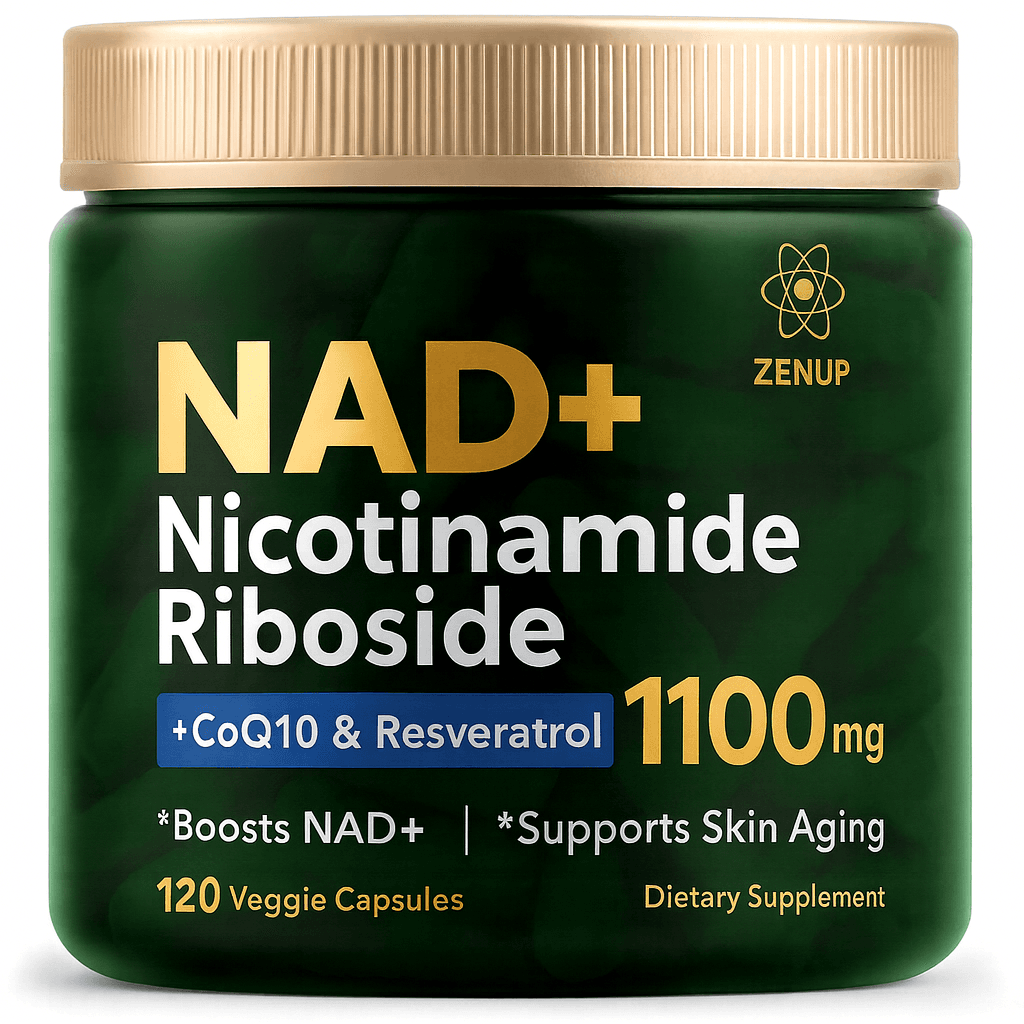
"NAD+ benefits" is a phrase that promises more than the research delivers — and that gap is worth understanding before you spend money. NAD+ is real biology. The claims built on top of it range from carefully worded to wildly overstated. This article sorts the two apart, area by area, and is best read as a companion to our full [NAD+ supplements guide](/blog/nad-supplement-guide).
The Short Version
NAD+ (nicotinamide adenine dinucleotide) is a coenzyme involved in normal cellular processes, including cellular energy metabolism. Levels are discussed in aging research because many cells' normal functions depend on NAD+ availability. Oral supplements in this category — usually built around precursors like NR or NMN — are studied mainly for safety, tolerability, and whether they measurably influence NAD+ pathways. Everything beyond that is an open research question, not a finished product claim.
Why NAD+ Gets So Much Attention
Two features of NAD+ biology drive the interest:
- **Centrality.** NAD+ participates in core metabolic reactions that nearly every cell depends on.
- **Direction of change.** Research describes NAD+ availability declining with age in various tissues, while cellular demand remains. Scientists study whether that gap matters and whether it can be influenced.
A useful framing from consumer-health coverage (see the Cleveland Clinic review in our references): the biology is genuinely interesting, and consumer-outcome evidence is genuinely incomplete. Both things are true at once.
What Research Discusses, Area by Area
Cellular energy metabolism
NAD+ participates in the reactions cells use to convert nutrients into usable energy. This is the least controversial claim in the category — it is the molecule's day job. What remains unproven is how a supplement-driven change in NAD+ levels translates into how a person experiences daily energy.
Heart and cardiovascular research
Cardiovascular researchers study NAD+ metabolism because heart tissue is metabolically demanding. This research appears in cardiology journals (a study in Circulation is among the references in our wider library) and generally examines mechanisms and small cohorts — not whether a supplement improves heart outcomes. Treat headlines in this area as "research is exploring," not "scientists agree."
Muscle function and physical performance
Several human trials of NR and NMN have included measures such as walking distance, grip strength, or muscle sensitivity outcomes. Results have been mixed: some trials report modest changes on specific measures; others find nothing notable. A mixed result is not a scandal — it is what early clinical research looks like. It does mean no one can honestly promise you a physical-performance benefit.
Metabolic research
Metabolic studies examine how NAD+ pathways intersect with how the body processes nutrients. This work is scientifically active and clinically early. Consumer-facing claims about weight or blood markers are ahead of the evidence.
Brain and cognition
Cognitive aging is a focus of NAD+ research, with some trials exploring measures of memory and processing speed. The honest summary is the same: interesting hypotheses, early and mixed human data, and no basis for treatment claims.
What NAD+ Supplements Can and Cannot Do
**Can:** deliver a disclosed amount of a studied precursor (NR or NMN) in a consistent daily serving; be compared across brands by label facts; be taken as part of a routine you discuss with your healthcare professional.
**Cannot (legally or factually):** treat, cure, or prevent any disease; reverse aging; guarantee an energy increase; substitute for exercise, diet, sleep, or medical care.
One more distinction worth knowing: clinics sometimes administer NAD+ intravenously. That is a medical service with its own research literature — it is not the same category as an oral supplement, and results from IV contexts should not be transferred to a bottle.
> Related reading: [What cellular energy support really means](/blog/what-cellular-energy-support-really-means-in-an-nad-plus-routine) — a look at the phrase most often used to sell these products.
Who Typically Considers an NAD+ Routine
People exploring NAD+ supplements usually share one of three motivations: general healthy-aging interest, curiosity after reading longevity coverage, or comparison shopping after a friend mentions it. None of those motivations requires a supplement — but if you decide to use one, the label-first approach in our [buying checklist](/blog/best-nad-supplement) will serve you better than brand loyalty.
Safety and Interactions
Human trials of oral NR and NMN at studied doses have not identified serious safety signals, and reviews describe them as generally well tolerated. Discuss supplement use with a qualified healthcare professional if you are pregnant or nursing, take prescription medication, or manage a medical condition. This is the standard advice for a reason: your medications and history are the variables a label cannot see.
Frequently Asked Questions
**What does NAD do for the body?** NAD+ participates in normal cellular processes, including energy metabolism — the reactions your cells use every day. That role is established biology; claims about specific outcomes from supplements are where evidence thins out.
**What is the downside of taking NAD+?** At studied doses the leading precursors have been described as generally well tolerated, with mild digestive upset the most commonly discussed complaint. Cost and unrealistic expectations are the practical downsides most users report.
**What happens if you take NAD+ every day?** Published trials typically dose daily for weeks to months and describe that pattern as tolerable in studied groups. Data beyond those study windows is limited, which is itself a reason to keep expectations measured.
**What should you not mix with NAD+?** There is no established list of dangerous interactions for NR or NMN at studied doses, but absence of evidence is not the same as a clean bill. The responsible move is to review your full medication list with a pharmacist or physician before starting.
**Are NAD+ injections better than supplements?** They are different things: IV NAD+ is a clinical service with its own protocols, while oral supplements deliver precursors. Research on one should not be read as evidence for the other. If a clinic's "NAD+ injection" page is your reference point, verify its claims the same way you would a bottle's.
---
*Educational content only; not medical advice. Dietary supplements are not intended to diagnose, treat, cure, or prevent any disease. Talk with a qualified healthcare professional about your individual situation.*